Water Extraction in Lake Elsinore, CA
Standing water keeps soaking into pad, baseboards and drywall for as long as it sits. The extraction crew pulls it out of the building with truck-mounted pumps, then the drying team takes over with air movers and LGR dehumidifiers.
(888) 450-9281Pull the standing water out of your Elsinore home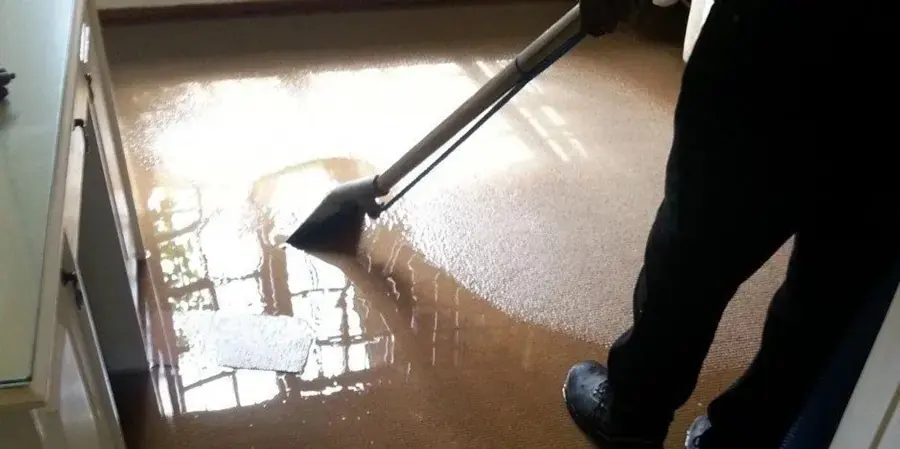
First steps for water extraction in Lake Elsinore
- 1
Stop the source
Close the main shutoff, usually at the front hose bib or in the garage.
- 2
Kill power to wet areas
Switch off breakers for flooded rooms if the panel is dry and safe to reach.
- 3
Stay off wet floors near outlets
Standing water and cords do not mix.
- 4
Photograph before moving anything
Wide shots and close-ups start the claim file.
- 5
Lift what you can
Rugs, electronics and furniture legs out of the water.
How water extraction is handled in Lake Elsinore
- L1
Moisture mapping
Meters and thermal imaging show where the water went, including under the baseboards.
- L2
Bulk extraction
Truck-mounted pumps pull water out of carpet, pad and hard floors.
- L3
Equipment set
Air movers and LGR dehumidifiers go in, sized to each room.
- L4
Daily readings
The drying team logs readings until the drying goal is met.
What does emergency water extraction cost in Lake Elsinore, CA?
In Lake Elsinore, CA, emergency water extraction typically runs $300 to $1,800 for the extraction itself, and $1,500 to $6,000 or more once drying equipment and material removal are included, depending on the water category, square footage and how long the water sat.
- Truck-mounted extraction
- Carpet and pad pressed out
- Moisture map
- Extraction across rooms
- Pad removal where needed
- Equipment set for drying
- Protective gear and containment
- Porous materials removed
- Antimicrobial and full drying
Every loss is different, so treat these as typical ranges, not a quote. The water damage cost calculator gives a closer planning range for your own rooms.
Water on the floor is only the visible part of a loss. In a Lake Elsinore tract home on a concrete slab, it runs under the baseboards, wicks up the drywall and soaks the carpet pad from below. Extraction is the step that stops that spread, and it is the step most homeowners underestimate.
What extraction actually removes
The extraction crew works room by room, starting where the water is deepest:
- Truck-mounted units handle large volumes and send the water to the truck instead of the next room
- Portable extractors reach upstairs bedrooms, condos and manufactured homes where a hose run is impractical
- Weighted extraction tools, the kind a tech stands on, press water out of carpet and pad
- Squeegee wands clear tile, vinyl plank and sealed concrete
A carpet that has been extracted properly feels damp, not wet. That difference decides whether the pad can be saved and how many days of drying follow.
Why the water category matters
Clean water from a burst supply line is Category 1. Water from a washing machine or a dishwasher is Category 2. Lake overflow, canyon runoff and sewage are Category 3, and they change the job: the mitigation team wears protective gear, porous materials the water touched come out instead of being dried, and an EPA-registered antimicrobial goes down after the water is gone. Clean water also degrades. Left sitting in a warm Lake Elsinore house for a couple of days, a Category 1 loss can drift toward Category 2.
Mold can start growing on wet drywall and wood within 24 to 48 hours, which is why the EPA advises drying wet materials fast and removing what cannot be dried.
From extraction to drying
Extraction ends when the pumps stop pulling meaningful water. Drying starts right after. The tech who does the walkthrough maps moisture with a pinless meter and thermal imaging, marks the wet footprint, and sizes the air movers and LGR dehumidifiers to the evaporation load of each room. Readings are logged daily until the wet materials sit within a few points of a dry reference in an unaffected room. For a flooded lakeshore street, the Ready.gov flood page covers the safety side before anyone goes back inside. If the source was a slab line, see slab leak water damage.
Water extraction across the Elsinore Valley
The restoration team handles water extraction in Lake Elsinore, Lakeland Village, Wildomar, Canyon Lake, Menifee, Temescal Valley and Horsethief Canyon, from the lakeshore flats to the canyon neighborhoods on the hills.
ZIP codes 92530, 92531 and 92532, plus Wildomar, Canyon Lake and Menifee.
Every area and ZIP code coveredWater Extraction questions, answered
How fast should water be extracted?
As soon as possible. Water keeps moving into pad, baseboards and drywall for as long as it sits, and mold can start within 24 to 48 hours on wet materials. Extraction early is the single biggest factor in how much can be saved.
Can a shop vac do the same job?
A shop vac removes surface water from a small spill. It cannot pull water out of carpet pad or reach the volume of a supply line failure. Truck-mounted and weighted extraction tools remove far more, which shortens drying time.
Will the carpet be saved?
Often, when the water is clean and extraction starts early. Carpet pad is cheaper to replace and is usually pulled if it stayed wet for long. Carpet touched by Category 3 water, such as lake overflow or sewage, is removed.
Does extraction work on a concrete slab?
Yes. Extraction removes the standing water, but concrete holds moisture for days, so the drying team follows up with dehumidifiers and air movers until slab readings reach the drying goal.
How is the water disposed of?
Truck-mounted units collect it in a waste tank on the truck, and it is disposed of according to local rules. Category 3 water is handled with extra care and protective equipment.
Is extraction covered by insurance?
For a sudden and accidental loss such as a burst supply line, extraction is usually part of a covered claim after the deductible. Rising lake water or surface runoff falls under flood coverage, which is a separate policy. Check your own policy with your insurer.
What happens after extraction?
The drying phase: air movers and LGR dehumidifiers run while the team takes daily readings. Equipment comes out when the readings say dry, not on a fixed date.
Standing water in a Lake Elsinore home?
The extraction crew pulls it out with truck-mounted pumps, and the drying team sets equipment to the moisture map.