Lakeshore Flood Cleanup in Lake Elsinore, CA
When the lake rises in a wet winter, low streets along the shoreline take water into garages, yards and living rooms. The mitigation team treats that water as Category 3, removes what it touched and dries the structure to the IICRC S500 standard.
(888) 450-9281Start lakeshore flood cleanup in Lake Elsinore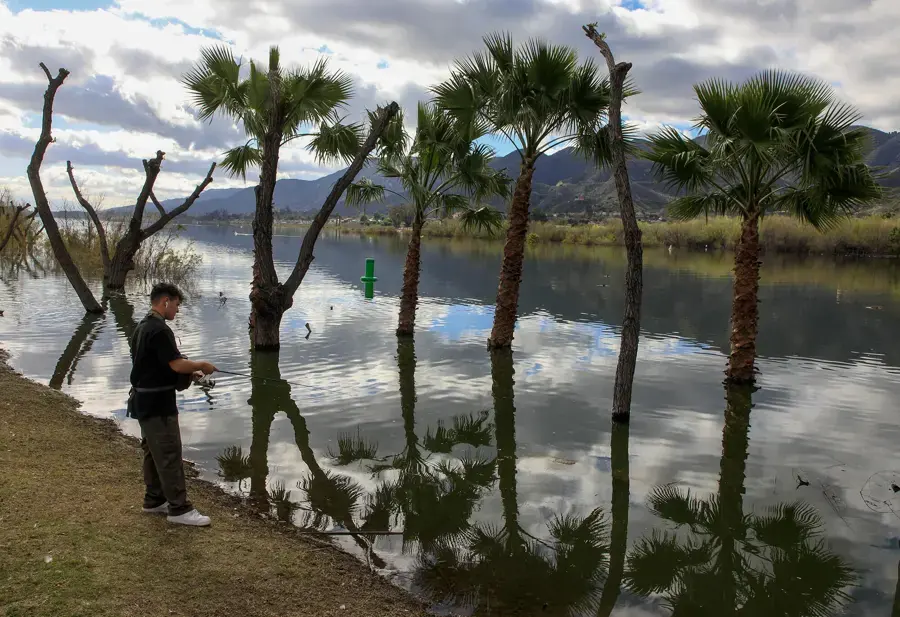
First steps for lakeshore flood cleanup in Lake Elsinore
- 1
Wait for the all-clear
Follow local officials before going back into a flooded home.
- 2
Keep power off
Do not touch the panel while standing in water; have it checked first.
- 3
Photograph everything
Water lines on walls, damaged contents, the outside of the house.
- 4
Avoid contact with the water
Boots and gloves; treat it as contaminated.
- 5
Call your flood carrier and the cleanup team
The claim and the dry-out run side by side.
How lakeshore flood cleanup is handled in Lake Elsinore
- L1
Containment and safety
Protective gear, containment and a hazard check before work starts.
- L2
Extraction and muck-out
Standing water and silt come out first.
- L3
Tear-out and antimicrobial
Porous materials removed; surfaces cleaned and treated.
- L4
Structural drying
LGR dehumidifiers, air movers and HEPA scrubbers until readings hit the goal.
What does lakeshore flood cleanup cost in Lake Elsinore, CA?
In Lake Elsinore, CA, lakeshore flood cleanup typically runs $4,000 to $25,000 or more, depending on water depth, square footage, how much drywall and flooring the water reached and how long the water stood before cleanup began.
- Extraction and muck-out
- Flood cuts
- Antimicrobial
- Carpet and pad out
- Drywall to 2 or 4 feet
- HEPA scrubbers
- Full tear-out
- Contents handling
- Extended drying
Every loss is different, so treat these as typical ranges, not a quote. The water damage cost calculator gives a closer planning range for your own rooms.
Lake Elsinore is the largest natural freshwater lake in Southern California, and its level swings with the weather. The San Jacinto River feeds it and Temescal Wash drains it, so a string of big storms can push the lake up over low ground. In very wet years, such as 1980, high water reached shoreline streets and stayed for a long time. Homes along Lakeshore Drive, the lower country club streets and the flats near the outlet sit closest to that risk.
Why lake flooding is handled differently
Lake water that comes through a door is not clean. It carries soil, fuel, fertilizer, bacteria and whatever the storm washed off the streets. The industry treats it as Category 3, the same class as sewage. That changes the order of the work:
- The mitigation team wears protective gear and sets containment
- Standing water is extracted and silt is mucked out
- Carpet, pad, wet drywall and insulation the water touched are removed
- Remaining surfaces are cleaned and treated with an EPA-registered antimicrobial
- Air movers, LGR dehumidifiers and HEPA air scrubbers run until the structure is dry
Flood coverage is its own policy
Rising lake water and surface runoff are flood, which a standard homeowners policy does not cover. Flood insurance through the National Flood Insurance Program or a private carrier does. The FloodSmart site from FEMA explains how flood claims work, and the FEMA Flood Map Service Center shows the mapped flood zone for any address. Whatever the policy, the claim file needs the same things: photos before tear-out, the moisture map, the category of water and daily drying logs.
Do not go back into a flooded home until local officials say it is safe. Floodwater can hide electrical hazards, and gas appliances that went under need a check before they run.
After the water drops
The drying team verifies the framing and slab against a dry reference before anything is closed up. Once readings reach the goal, rebuilding can start. For runoff that came down a canyon instead of up from the lake, see storm runoff and mudflow flooding.
Lakeshore flood cleanup across the Elsinore Valley
The restoration team handles lakeshore flood cleanup in Lake Elsinore, Lakeland Village, Wildomar, Canyon Lake, Menifee, Temescal Valley and Horsethief Canyon, from the lakeshore flats to the canyon neighborhoods on the hills.
ZIP codes 92530, 92531 and 92532, plus Wildomar, Canyon Lake and Menifee.
Every area and ZIP code coveredLakeshore Flood Cleanup questions, answered
Is lake floodwater really that contaminated?
Yes. Water that enters from a lake, wash or street carries soil, bacteria, fuel and chemicals. The industry classifies it as Category 3, and porous materials it touched are removed rather than dried.
Does homeowners insurance cover lake flooding?
Usually not. Rising water from a lake or surface runoff is flood, which needs a separate flood policy through the NFIP or a private carrier. Check your own policies with your insurer.
How high do the walls get cut?
Usually a foot or two above the highest water line, so the cut reaches clean, dry drywall. Wet insulation behind it comes out too.
Can hardwood floors be saved after lake water?
Rarely. Category 3 water soaks into wood and the subfloor below. Most hardwood touched by floodwater is removed.
What about the slab under the flooring?
Concrete is cleaned, treated with antimicrobial and dried. It is not removed, but it can take several days to reach the drying goal.
Should I start cleaning before anyone arrives?
Only safe steps: photograph the damage and move what you can reach without wading. Avoid contact with the water and leave tear-out to crews with protective gear.
How long does the whole cleanup take?
Extraction and tear-out often take one to three days, and drying another three to seven, depending on how long the water stood and what the structure is made of.
Lake water in your Lake Elsinore home?
The mitigation team handles lake and runoff flooding as Category 3, from extraction and tear-out to verified drying.